Salt water pools have become increasingly popular among homeowners over the last decade. Marketed as a more “natural,” “low-maintenance,” and “gentler” alternative to traditional chlorine pools, salt systems are often misunderstood—even by experienced pool owners. While salt water pools do offer certain advantages, they also come with unique maintenance requirements, long-term costs, and operational realities that are often overlooked at the time of installation.
In this guide, we’ll break down what a salt water pool actually is, how a salt chlorine generator works, how salt pool maintenance differs from liquid chlorine and trichlor tablet systems, and the perceived versus real benefits of salt systems. We’ll also discuss common salt cell problems, including calcification and corrosion, and what homeowners can do to protect their investment.
Whether you already own a salt water pool or are considering converting your system, understanding the full picture is essential—especially in climates like Southern Nevada where heat, evaporation, and high calcium levels play a major role in pool chemistry.
⸻
What Is a Salt Water Pool?
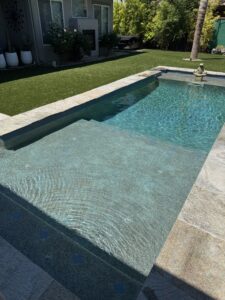
Despite the name, a salt water pool is not chlorine-free. This is one of the most common misconceptions among homeowners. A salt water pool still uses chlorine as its primary sanitizer—but instead of adding chlorine manually in liquid or tablet form, the pool generates chlorine on site using dissolved salt and electricity.
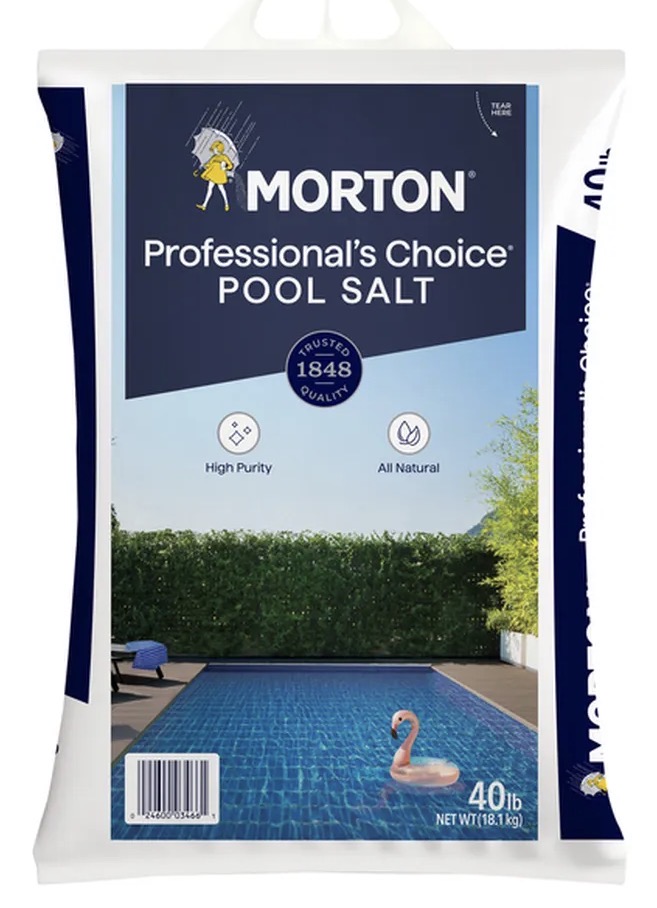
In a salt water pool, pool-grade salt (sodium chloride) is added to the water until it reaches a specific salinity level, typically between 2,700 and 3,500 parts per million (ppm). For comparison, the ocean contains roughly 35,000 ppm of salt—about ten times higher. This means salt pools do not taste like ocean water, nor do they feel excessively salty.
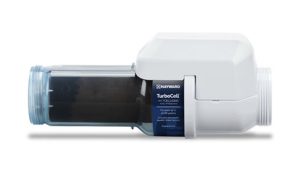
Once the salt is dissolved, it passes through a device called a salt chlorine generator, commonly referred to as a salt cell. This is where the chlorine is produced.

⸻
What Is a Salt Cell?
A salt cell is the heart of a salt water pool system. It is an inline component installed in the pool’s plumbing, usually after the filter and heater. Inside the cell are metal plates—typically made of titanium and coated with rare metals such as ruthenium or iridium.
When pool water flows through the salt cell and the system is powered on, an electrical current is applied to these plates. This triggers a process known as electrolysis, which converts dissolved salt (sodium chloride) into chlorine gas.
The chlorine gas immediately dissolves into the pool water, becoming free chlorine, which sanitizes the pool by killing bacteria, algae, and other contaminants.
After the chlorine does its job, it eventually recombines back into salt, and the cycle repeats. This closed-loop process is one of the main reasons salt systems are often marketed as efficient and convenient.

⸻
How a Salt Chlorine Generator Operates
To understand salt water pool maintenance, it’s important to understand how the generator actually operates day to day.
A salt system relies on several key factors to function properly:
• Correct salt level
• Proper water balance
• Consistent water flow
• Adequate electrical supply
• Clean, scale-free cell plates
If any of these conditions are off, chlorine production drops—or stops entirely.
Unlike liquid chlorine, which delivers an immediate dose, salt systems produce chlorine slowly over time. This means:
• The pump must run long enough each day for adequate chlorine generation
• Chlorine output must be adjusted seasonally
• Water chemistry must remain stable
During peak summer months—especially in desert climates—salt systems often need longer run times or higher output settings to keep up with chlorine demand.
⸻
Salt Cell Lifespan and Wear
Salt cells are consumable components. Over time, the metal coating on the plates wears down due to constant electrical charge and chemical exposure.
Most residential salt cells last 3–7 years, depending on:
• Water chemistry
• Calcium hardness
• Cleaning frequency
• System sizing
• Run time
Once a salt cell reaches the end of its lifespan, chlorine production drops significantly, and replacement is required. Salt cell replacements can range from several hundred to well over a thousand dollars, depending on brand and size.
⸻
Calcification: The Most Common Salt Cell Issue
One of the most frequent problems with salt water pools is calcification of the salt cell.
Calcification occurs when calcium carbonate deposits form on the cell plates. This is especially common in areas with:
• Hard water
• High evaporation rates
• Elevated pH levels
As calcium builds up, it creates a barrier between the plates and the water, reducing chlorine production and forcing the system to work harder.
⸻
Why Calcification Is a Serious Problem
Calcified salt cells:
• Produce less chlorine
• Trigger error codes or low-salt warnings
• Shorten the lifespan of the cell
• Require frequent acid cleanings
Every acid cleaning removes a small amount of the protective coating on the plates. Over-cleaning can destroy a cell long before its expected lifespan.
This is why proper water balance—especially calcium hardness and pH—is critical in salt water pool maintenance.
⸻
Corrosion and Salt Exposure
Another concern with salt water pools is corrosion. While modern pool equipment is designed to handle salt exposure, salt is still inherently corrosive—especially when water chemistry is neglected.
Corrosion can affect:
• Salt cell unions
• Metal fittings
• Heaters
• Light niches
• Handrails and ladders
• Nearby stone or decking
⸻
Preventing Corrosion
Corrosion is typically caused by:
• Low pH
• Improper bonding or grounding
• Poor water balance
• Splash-out and evaporation near metal surfaces
Regular professional monitoring significantly reduces corrosion risks and helps extend the life of surrounding equipment.
⸻
Salt Water Pools vs Liquid Chlorine Pools
One of the most common questions homeowners ask is how salt water pool maintenance compares to traditional chlorine systems.
Liquid Chlorine Pools
Liquid chlorine pools require manual chlorine additions, typically weekly or multiple times per week during summer. The benefits include:
• Immediate chlorine availability
• Lower upfront equipment costs
• No salt cell to replace
However, liquid chlorine:
• Requires regular handling
• Can cause chlorine spikes
• Degrades quickly in heat and sunlight
• Requires consistent monitoring
Salt Water Pools
Salt systems automate chlorine production, which:
• Reduces manual chemical additions
• Provides more consistent chlorine levels
• Feels smoother on skin and eyes
However, salt pools:
• Require higher upfront costs
• Depend heavily on water balance
• Still require chemical adjustments
• Incur salt cell replacement costs
Neither system is “maintenance-free”—they simply shift where the maintenance occurs.
⸻
Salt Water Pools vs Trichlor Tablet Pools
Trichlor tablets are another popular chlorine delivery method, especially for residential pools.
Trichlor Tablet Systems
Pros:
• Easy to use
• Slow-dissolving
• Convenient for vacations
Cons:
• Add cyanuric acid (CYA) continuously
• Will lead to overstabilization
• Lower pH significantly
• Often require water dilution or drain/refill
Salt systems do not add CYA, which gives homeowners more control—but they still require proper stabilizer levels for chlorine efficiency.
⸻
The Perceived Benefits of Salt Water Pools
Salt water pools are often advertised with strong emotional selling points. Let’s break down what’s real versus what’s misunderstood.
1. “Softer” Water Feel
Salt pools often feel smoother because salt slightly reduces water surface tension. This can feel more pleasant on skin, hair, and eyes.
2. Reduced Chlorine Odor
Because salt systems produce chlorine steadily, they often avoid large chlorine spikes that cause strong odors.
3. Convenience
Automated chlorine generation means fewer chemical purchases and fewer manual additions.
4. Consistent Sanitization
When properly maintained, salt systems deliver stable chlorine levels throughout the day.
⸻
The Real Trade-Offs
While salt systems offer convenience, they are not cheaper, not hands-off, and not immune to water chemistry problems.
Homeowners must still:
• Monitor pH frequently
• Manage calcium hardness
• Clean salt cells properly
• Replace cells periodically
• Maintain equipment compatibility
In high-heat, hard-water regions, salt water pool maintenance requires precision, not neglect.
⸻
Professional Maintenance Matters
Salt water pools reward consistency and punish imbalance. Minor chemistry drift that might go unnoticed in a traditional pool can quickly lead to:
• Scale formation
• Equipment damage
• Chlorine production failure
• Costly repairs
Professional pool service ensures:
• Proper water balance
• Optimized salt system settings
• Early detection of cell wear
• Longer equipment lifespan
• Reliable sanitation year-round
⸻
Final Thoughts: Are Salt Water Pools Worth It?
Salt water pools can be an excellent option for homeowners who understand their requirements and are willing to maintain them properly. They offer comfort, convenience, and modern automation—but they are not a shortcut around responsible pool care.
When properly balanced and professionally maintained, a salt water pool can deliver a consistent, enjoyable swimming experience for years. When neglected, it can become one of the most expensive pool systems to repair.
Understanding how your salt system works is the first step toward protecting your investment—and keeping your pool clean, safe, and ready to enjoy.