Calcium Hardness
When most pool owners think about water chemistry, chlorine and pH usually steal the spotlight. But there’s another critical measurement quietly working behind the scenes that can either protect your pool, or slowly destroy it.
That measurement is calcium hardness.
Calcium hardness doesn’t affect water clarity the way chlorine does, and it doesn’t change how the water feels like pH or alkalinity. Because of that, it’s often misunderstood, overlooked, or incorrectly adjusted. Yet calcium hardness plays a massive role in the long-term health of your pool surface, plumbing, equipment, and especially your pool heater.
In this article, we’re going to take a deep dive into:
• What calcium hardness actually is
• Why low calcium (around 150 ppm) is dangerous
• Why high calcium (over 400 ppm) is just as damaging
• How calcium impacts LSI (Langelier Saturation Index)
• The hidden connection between calcium imbalance and heater failure
• When partial or full draining becomes necessary
• Why certain sanitizers quietly raise calcium levels over time
If you want to avoid expensive repairs, premature resurfacing, and heater replacements, calcium hardness is not something you can afford to ignore.
⸻
What Is Calcium Hardness?
Calcium hardness refers to the amount of dissolved calcium in your pool water, measured in parts per million (ppm). This calcium primarily comes from:
• Fill water
• Plaster, pebble, or quartz surfaces
• Certain pool chemicals and sanitizers
Unlike alkalinity or pH, calcium hardness doesn’t fluctuate rapidly. It builds slowly, and once it’s high, it doesn’t come back down on its own.
For most residential pools, the ideal calcium hardness range typically falls between 250–350 ppm, depending on surface type, climate, and overall water balance.
When calcium drifts outside that range, either too low or too high, it directly affects the LSI balance, which determines whether your water is aggressive or scale-forming.
⸻
Understanding LSI: Why Calcium Hardness Matters So Much
The Langelier Saturation Index (LSI), is a calculation that evaluates how balanced your pool water is. It factors in:
• pH
• Total alkalinity
• Calcium hardness
• Water temperature
• Total dissolved solids
LSI tells us whether water is:
• Balanced (LSI ≈ 0.0)
• Aggressive (negative LSI)
• Scale-forming (positive LSI)
Calcium hardness has a huge influence on LSI. Even small changes can push water into a destructive range.
• Low calcium → negative LSI → corrosive water
• High calcium → positive LSI → scaling water
Both conditions damage your pool—just in very different ways.
⸻
The Danger of Low Calcium Hardness (Around 150 ppm)
Many pool owners assume that low calcium is harmless. After all, there’s no visible scale, no cloudy water, and no immediate warning signs.
Unfortunately, low calcium is one of the most destructive conditions your pool can experience, especially over time.
Why Low Calcium Is So Dangerous
Water naturally wants to reach chemical equilibrium. When calcium levels are too low, the water becomes hungry for minerals. Since it can’t create calcium out of thin air, it starts pulling it from wherever it can.
That usually means:
• Plaster surfaces
• Grout lines
• Tile mortar
• Heater heat exchangers
• Metal components
This is known as etching, and it’s irreversible.
⸻
How Low Calcium Damages Pool Surfaces
If you have a plaster, quartz, or pebble finish, low calcium hardness can cause:
• Surface roughness
• Loss of smooth texture
• Fading or discoloration
• Pitting and micro-cracking
• Premature surface failure
What starts as a subtle dullness often turns into widespread damage that requires acid washing or full resurfacing years earlier than expected.
⸻
Low Calcium and Pool Heaters: A Silent Killer
One of the most expensive casualties of low calcium is the pool heater.
Heater heat exchangers—especially copper or cupronickel—are extremely vulnerable to aggressive water. When calcium is too low and LSI swings negative, water begins pulling minerals directly from the metal.
This leads to:
• Internal corrosion
• Pinhole leaks
• Reduced heating efficiency
• Complete heat exchanger failure
Heater damage caused by improper water chemistry is not covered under most manufacturer warranties. Many pool owners don’t realize the cause until the heater fails and replacement becomes the only option.
⸻
Signs Your Calcium May Be Too Low
Low calcium often goes unnoticed, but common indicators include:
• Rough or chalky plaster
• Increased dusting on surfaces
• Staining from dissolved metals
• Heater failures with no obvious cause
• Persistent negative LSI readings
If your calcium is hovering around 150 ppm, your pool is already at risk—even if everything looks “fine.”
⸻
The Danger of High Calcium Hardness (Over 400 ppm)
While low calcium is aggressive, high calcium is destructive in a different way.
Once calcium hardness climbs above 400 ppm, your pool water becomes prone to scale formation, especially in warm climates like Las Vegas where evaporation is constant.
And unlike low calcium, high calcium never naturally decreases—it only gets worse.
⸻
How High Calcium Leads to Scale
As calcium increases, water loses its ability to keep minerals dissolved. Excess calcium precipitates out of solution and attaches itself to surfaces.
Scale commonly forms on:
• Pool tile and waterline
• Pool walls and floor
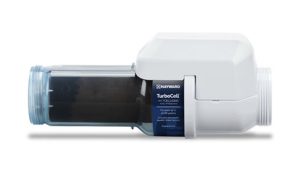
• Salt cells
• Heaters
• Plumbing interiors
Once scale forms, it creates insulation, restricts water flow, and reduces efficiency throughout the entire system.
⸻
High Calcium and LSI Swings
High calcium pushes LSI positive, especially when paired with:
• High pH
• High water temperature
• Elevated alkalinity
Positive LSI water aggressively deposits calcium, which leads to:
• Chronic scaling
• Cloudy water
• Poor sanitizer efficiency
• Heater overheating
These LSI swings can fluctuate daily, causing repeated cycles of deposition and partial dissolution—both of which stress pool surfaces and equipment.
⸻
Scale Damage Inside Pool Heaters
Heaters are particularly vulnerable to high calcium levels.
Scale buildup inside the heat exchanger causes:
• Reduced heat transfer
• Hot spots that crack metal
• Increased gas or electricity usage
• Sensor failures
• Premature shutdowns
Even thin layers of scale can reduce heater efficiency by 20–30%, and severe scaling often requires full heater replacement.
⸻
Why Calcium Is Especially Challenging in Hot, Dry Climates
In areas like Las Vegas, calcium hardness management is even more critical.
Why?
Because evaporation removes water—but leaves calcium behind.
Every time water evaporates:
• Calcium stays in the pool
• You top off with more hard fill water
• Calcium concentration increases
Over time, this creates a slow but relentless rise in calcium hardness, even if you never add calcium intentionally.
⸻
Sanitizers That Quietly Increase Calcium Levels
Many pool owners don’t realize they’re adding calcium every time they sanitize.
Calcium-Containing Sanitizers Include:
• Calcium hypochlorite (Cal-Hypo)
• Certain shock products
Each dose of Cal-Hypo adds both chlorine and calcium. Over months and years, this buildup can push calcium hardness well beyond safe limits.
This doesn’t mean Cal-Hypo is “bad”—but it does mean it must be used strategically and monitored closely.
For pools already running high calcium, switching to liquid chlorine or alternative sanitizers is often necessary to prevent runaway hardness levels.
⸻
When Partial Draining Is the Best Solution
Unfortunately, there is no chemical that removes calcium from pool water.
When calcium gets too high, dilution becomes the only real option.
Partial Draining
Partial draining and refilling can:
• Lower calcium hardness gradually
• Reduce scaling risk
• Restore LSI balance
• Extend equipment life
This approach works best when calcium levels are elevated but not extreme.
However, partial drains must be done carefully to avoid:
• Hydrostatic pressure issues
• Surface damage
• Structural risk
⸻
When Full Draining Becomes Necessary
In cases where calcium hardness exceeds 600–800 ppm, partial drains may not be enough.
A full drain may be required when:
• Scale is severe and widespread
• Heater damage has already occurred
• Surface restoration is planned
• Water balance is no longer recoverable
Full draining should always be done by professionals who understand groundwater conditions, surface protection, and proper refill chemistry.
⸻
Preventing Calcium Problems Before They Start
The best strategy is prevention and monthly testing of calcium levels.
Key Calcium Management Tips:
• Test calcium hardness regularly, usually once a month
• Track long-term trends, not just single readings
• Monitor LSI—not just individual numbers
• Be mindful of sanitizer choices
• Address rising calcium early
• Plan proactive partial drains if needed
Consistent monitoring prevents small issues from becoming major repairs.
⸻
Final Thoughts: Calcium Balance Protects Your Entire Pool System
Whether calcium hardness is too low or too high, the result is the same: damage.
• Low calcium eats away at surfaces and heaters
• High calcium suffocates equipment with scale
• LSI swings amplify both problems
• Heaters often fail first—and cost the most
Maintaining proper calcium hardness isn’t about chasing a number. It’s about keeping your water balanced, your equipment efficient, and your pool healthy for years to come.
If you’re unsure where your calcium stands—or whether your pool has already been affected—now is the time to address it before small chemistry issues turn into major repairs.